StLouisArts.org is powered by the Regional Arts Commission of St. Louis, and RAC is excited to partner with Humans of St. Louis to highlight stories from some of the talented creatives and artists who call St. Louis home. All stories and photography in the RAC + Humans of St. Louis series were created by and are credited to Lindy Drew, co-founder, lead storyteller, and book co-author of Humans of St. Louis.
Content Warning: This story contains references to suicide.
Dawn Weber
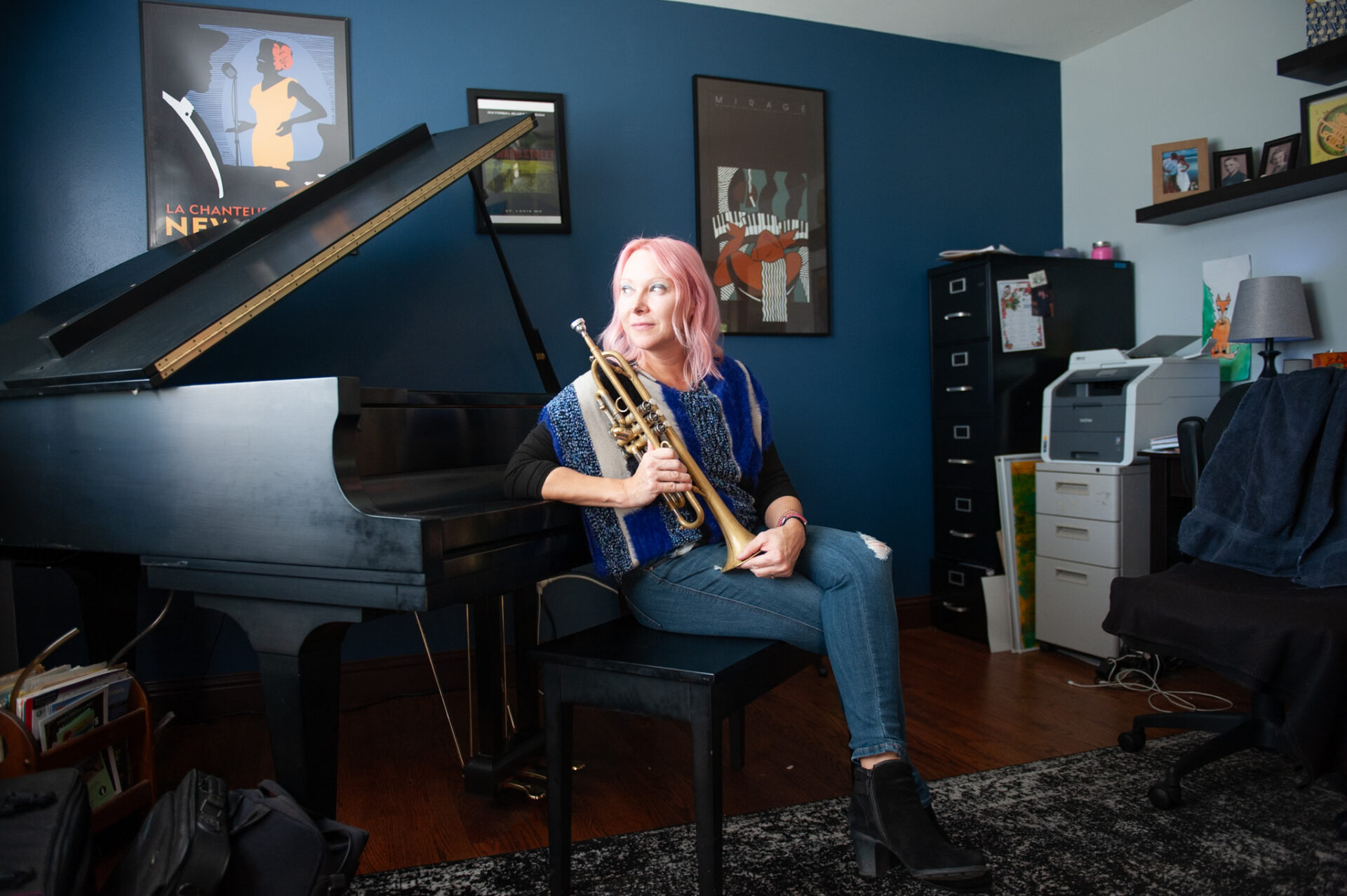 Photo credit: Lindy Drew / Humans of St. Louis
“My trumpet has gotten me everything that I have today. I’m from Waukon, Iowa, a small town on the border of Wisconsin and Minnesota with a population of less than 4,000. I grew up on a farm, and where we’re from, there are a lot of people just making it by. My dad helped pay the bills by playing saxophone with a country-western band five nights a week. And since we were farmers, that’s how he ended up putting food on the table, other than what we grew in our garden, and if we butchered one of our pigs or cows. So my family was extremely poor, and I knew I’d have to get off the farm somehow. I also knew I wanted to be a professional trumpet player. My family thought I was weird; I was so misunderstood. I was the type of kid who, once we were done opening presents for the holidays, I just wanted to go up to my room and play my trumpet. And I was a little wild child. I drove my grandmother’s car accidentally off a bluff. So everyone had all these feelings that Dawn was a hot mess.
I started looking at opportunities in performing arts high schools to start this journey. I made an audition tape, sent it in to this special school, and they accepted me. I raised enough money to pay for the first quarter, and my parents knew they wouldn’t be able to stop me. So I got on a Greyhound with my trumpet and a suitcase headed to North Carolina, my mom came with me to make sure I got there, and she went back home so I could do my thing. Then, before Christmas break, I had to tell the dean, ‘I’ve got to be honest with you. I saved up enough for the first part of school, but I’m like really poor. Even if my family wanted to help me, they can’t.’ Well, the school came up with a full scholarship for me, and I was able to stay. So, an education, a bachelor’s degree, a car, a phone, insurance, a house — everything that I have today and have done is because of that dang trumpet.”
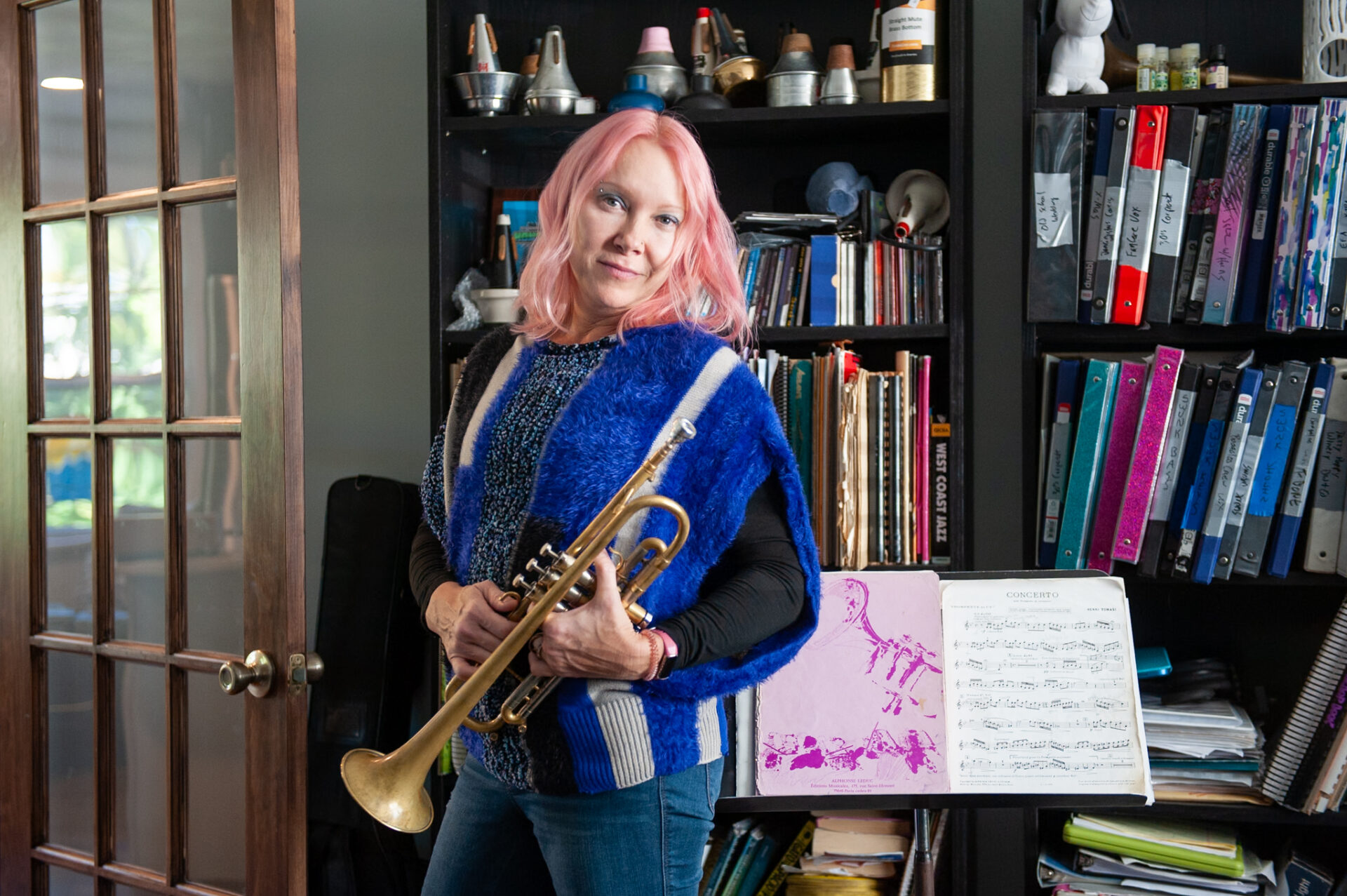 Photo credit: Lindy Drew / Humans of St. Louis
“It’s not like the person picks the instrument. The instrument picks the person. Kind of like Harry Potter and how the wand chooses the wizard. Originally, all my friends in middle school were going to play flute. So I thought, ‘Yes! We’ll be able to play flute together.’ And when you show up to class and get to try an instrument, all my friends could play the flute. But I couldn’t at all. Then our teacher put a trumpet in my hands. I put it up to my face and, for some reason that day, the sound was this magic thing that came out of this horn that was handed to me. Everyone listening was like, ‘You’re a trumpet player.’ And I was like, ‘No, I am not a trumpet player.’ But they said, ‘You are.’ So the teacher and I made a deal. If I hated the trumpet, they’d let me switch. But they were going to have me play trumpet first. And, of course, once I started, I couldn’t put it down. It was this obsession. And that’s kind of the weird thing about professional musicians and their instruments. When you can’t put it down, that’s usually a sign.”
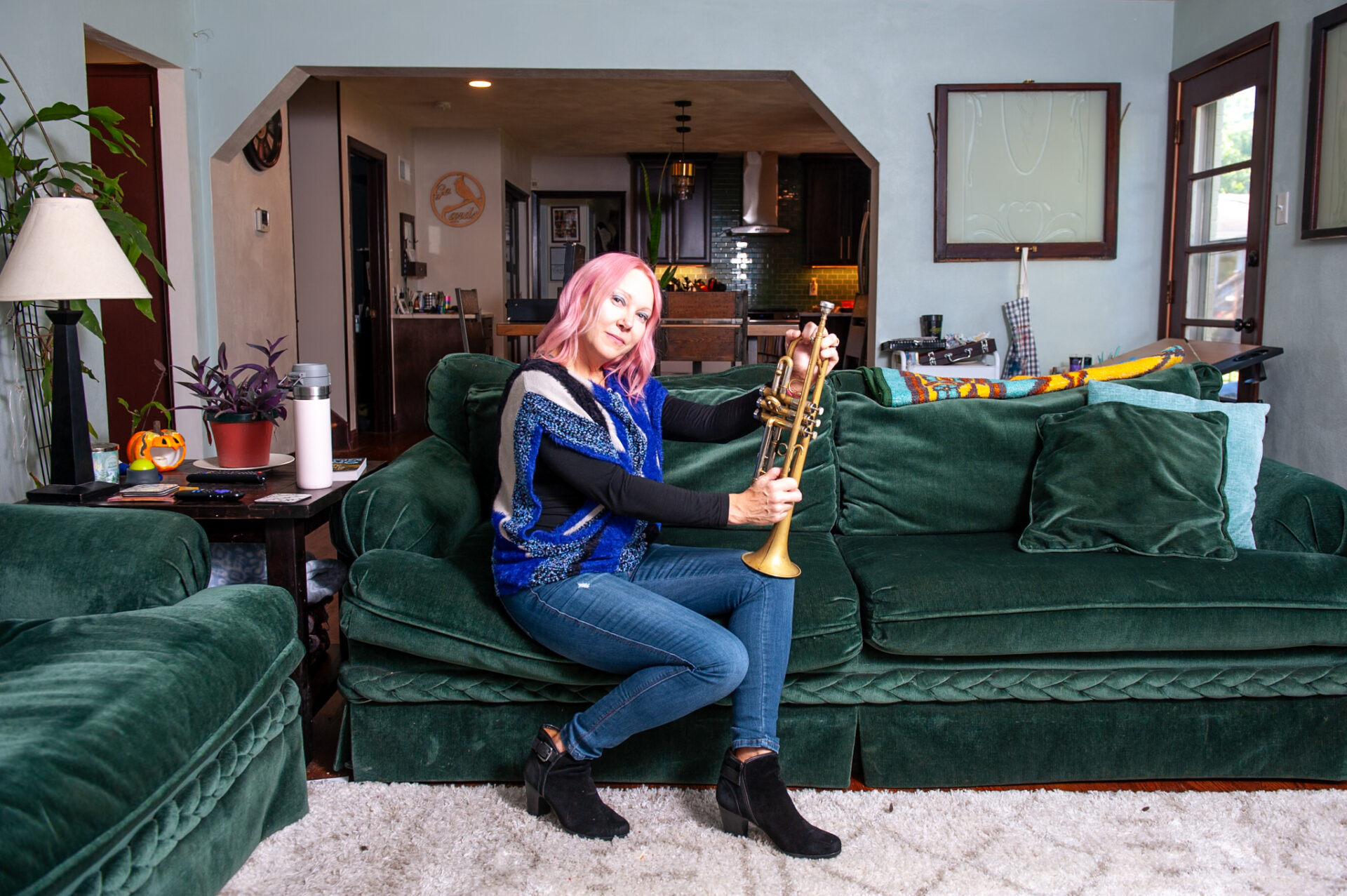 Photo credit: Lindy Drew / Humans of St. Louis
𝐻𝑜𝑤 𝑚𝑎𝑛𝑦 𝑡𝑟𝑢𝑚𝑝𝑒𝑡𝑠 𝑑𝑜 𝑦𝑜𝑢 𝑜𝑤𝑛?
“I have a lot of trumpets. As a classical trumpet player, you have to have a piccolo trumpet. I have an E-flat D, the Blackburn, because that’s the modern current thing. I still have my Schilke E-flat and D trumpet. And then I have a C trumpet, a Cornet, a flugelhorn, and a B-flat trumpet. And that’s pretty much what you need in your career as a classical trumpet player. But since I play classical, jazz, and Latin, I need the Cornet, the flugelhorn, and the B-flat trumpets. I’m starting to learn the bass. And I really want to learn to play drums. But the trumpet is taking up my whole life right now.”
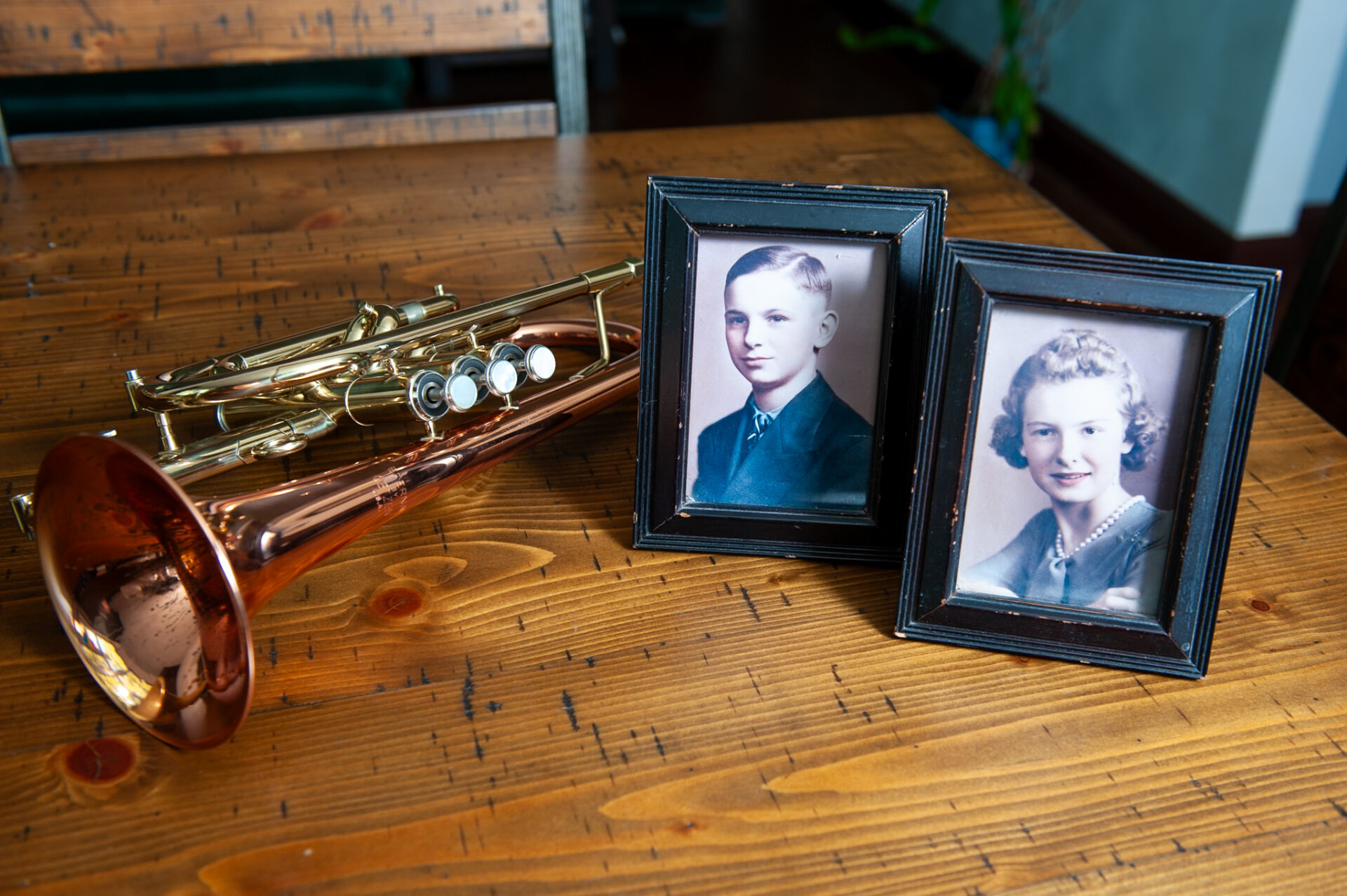 Photo credit: Lindy Drew / Humans of St. Louis
“My freshman year of college, my parents came down to my school to visit. And this was during a time in our relationship when we finally had a connection. Like, ‘Dawn’s not screwed up. Dawn’s doing good. She got a full scholarship. She’s paying her bills. She’s not this messed-up kid. She’s really special. She’s got it together.’ Then, on their way back home, their plane crashed into a mountain. They were flying in a Cessna. Two of their friends had a daughter down in South Carolina, and they knew I was studying in North Carolina, so they invited my parents on their trip. Like, ‘We’re going to visit our kid. We can drop you off so you can see Dawn.’ And when my parents visited me, we had these amazing first-time experiences. My dad and I even got to drink a beer together. I wasn’t even 21, but I asked him, ‘Dad, will you buy some for me?’ and he said yes. Something about that finally felt like we had an adult relationship that you get to have with your parents. I even remember thinking when they left, ‘My parents are actually cool.’ And I think they thought, ‘Our kid’s actually pretty cool.’ But then they were gone, just like that.”
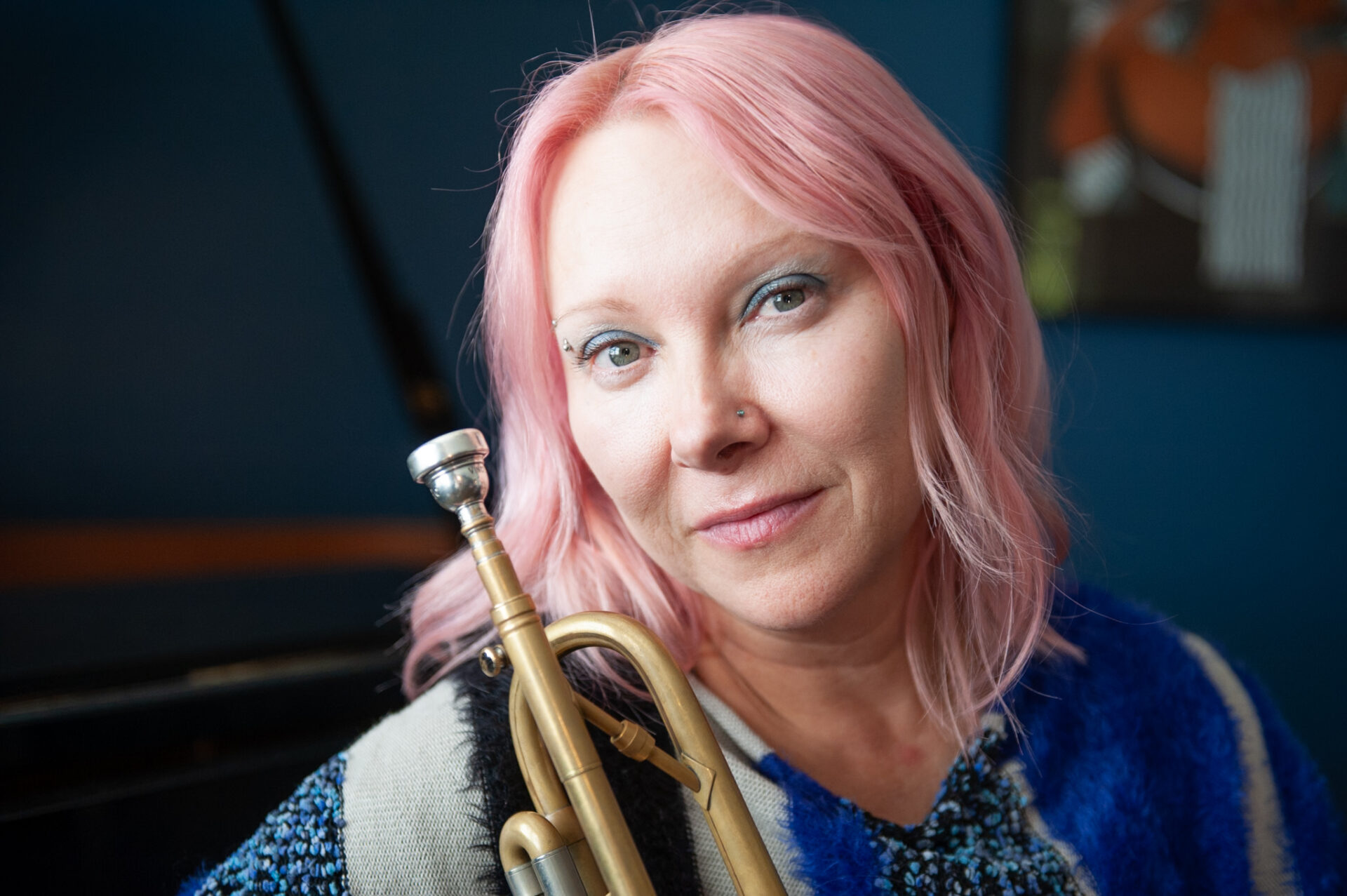 Photo credit: Lindy Drew / Humans of St. Louis
“I found out my parents were missing because the plane they were on went missing. My sister called asking, ‘When did mom and dad leave after visiting you?’ I told her it was a couple of days ago, and that’s how I realized they hadn’t gotten back home. Turns out, they were in the mountains for five days. A search party was trying to find them, and I remember getting off the phone with them when they said, ‘We have to call it a day. We haven’t found anything.’ Then I went into my living room, and on the news it said, ‘The missing plane has been found. There are no survivors.’ I called my siblings back to let them know, ‘I just saw the news. They’ve been found.’ And they were like, ‘It’s true. We just couldn’t say anything yet because we had to make sure it was them from their dental records.’
As time passed, I came to believe my parents’ death was something meant to happen. That was their journey, that was their time. But back then, since I was the black sheep of the family, everyone else pretty much said what happened was my fault. Like, ‘They came to visit YOU, and you’re the reason.’ Whatever. People handle grief in their own ways. But, ya know, when you go through something like all that when you’re young, you can be pretty resilient. There’s an option to crumble, but there’s this other option, like, ‘There is no way I can fail. There is nowhere to go. There is no safety net. There is nothing.’ So I felt like I had to succeed. And it became this driving force. That ‘maybe I can go back home,’ that wasn’t there for me. There had never been a ‘maybe I can ask my parents for help.’ So that all pushed me even more to strive.”
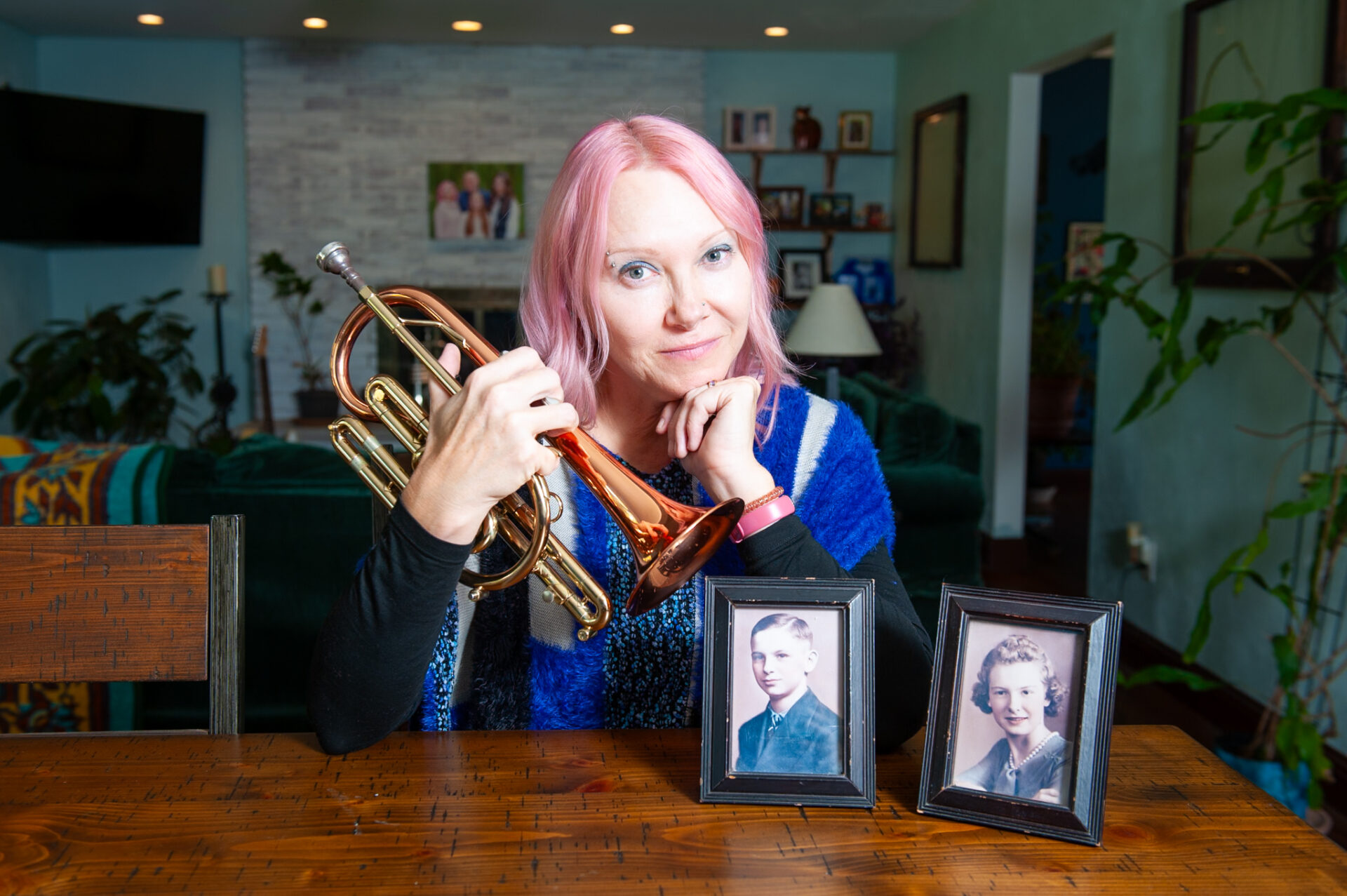 Photo credit: Lindy Drew / Humans of St. Louis
“I’ll tell you a trippy story. This friend of mine told me about a Native American woman in the Granite City area who she said I needed to have a reading with. I figured, ‘Why not?’ She does this smudging and you go around a medicine wheel based on where you’re at in your cycle and what’s going on in your life and you find out your spirit animals. And she said to me, ‘The black panther walks with you by night, and the hawk flies with you by day.’ I was like, ‘Cool, this is interesting.’ I was going to ask her, ‘I’m not sure what to do about this job offer I got. Should I take it?’ And, instead, she started saying things even though she didn’t know anything about me. She said, ‘There are a lot of Ws in the room right now.’ And she started naming them, like, ‘William.’ I said, ‘I have a grandfather named William.’ Then she said, ‘Wayne,’ and started going down a list. Suddenly, she stopped to say, ‘Your parents are here. Your mom is here. And your dad is right here. They want to let you know how proud of you they are. And that they know it was hard. But they were so happy to see you before they left.’
She told me, ‘If they didn’t come down to see you, they would have died anyway.’ And then she started talking about, ‘There’s a car going down the road. And your mom is sitting like so. Did your mom get migraines?’ I said, ‘Really bad ones.’ She was like, ‘Your mom is telling me…’ and I said, ‘I don’t know if I want to hear this.’ But she started doing this thing with her finger like my mom used to do, and she said, ‘She wants me to tell you this. And she wants you to listen. It wasn’t your fault. Don’t you let anybody else make you feel like it was.’ I was not expecting any of that. But there was so much peace in hearing it, especially the part about how their plane crash was all meant to happen. This woman didn’t know about the accident. She didn’t ask me for or want any information before we talked. And her gift was that she sees people on the other side who tell her things. Talk about how life rings you.”
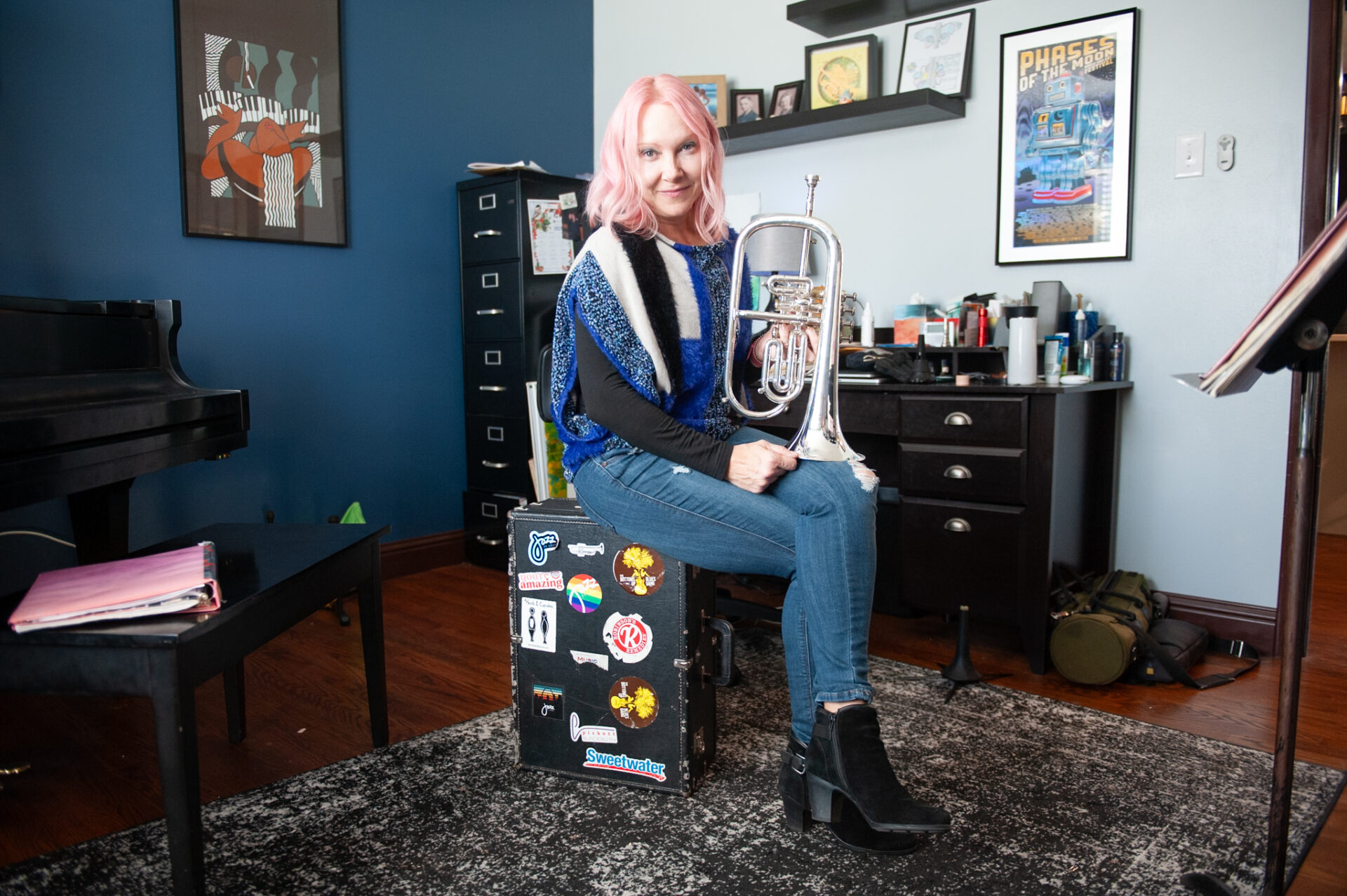 Photo credit: Lindy Drew / Humans of St. Louis
“Back to my journey of playing the trumpet. I learned it was hard for women to be taken seriously because you had to look and be a certain way. Well, when I auditioned for Juilliard, it was between another trumpet player and me. And they chose the other guy because he looked more and dressed more like a trumpet player. So I started to wear dudes’ clothing, but that wasn’t working. Then, when I came to St. Louis, I was going to play for the St. Louis Symphony’s principal trumpet player at the time, Susan Slaughter. Finally, I was like, ‘I’m going to play for a woman. I’m not going to be judged on my gender and appearance.’ Still, I was told that I don’t look like a trumpet player. And that people are going to take one look at me and assume I’m not very good.
After our encounter, I started bawling, like, ‘She’s right. She speaks the truth. Now I know why no one takes me seriously. It’s true. No one will ever believe I’m any good.’ I was crushed. I didn’t want to get out of bed for a week. I just felt like, ‘What’s the point? I left home for this? My parents died for this?’ I was in my head about it all. And that was the changing moment of my life when I realized, ‘I’m not being myself. Look at yourself, trying to wear men’s clothes and be ultra conservative.’ It got to the point where I was like, ‘All of this doesn’t matter. People are going to judge you.’ So at 24, I started dying my hair ‘F you’ orange. I pierced my eyebrow. And I dressed how I wanted. And in the end, all of that ended up giving me more respect.
I finished up my bachelor’s degree at the Cleveland Institute of Music, moved to Illinois, and then came to Missouri, where I made it my home and have been ever since. Later on, someone recommended, ‘Talk to Susan again. She feels really bad.’ Well, I got back in touch with her, and she ended up giving me a chance to sub with the symphony. And I finally started dressing how I wanted to dress, unlike being this stereotypical symphony musician. It was like, ‘For this gal to walk out on stage with hair like that, she must be good.’ And it changed everything. A lot of these stories nobody knows. They just know what I do. But this has been the journey.”
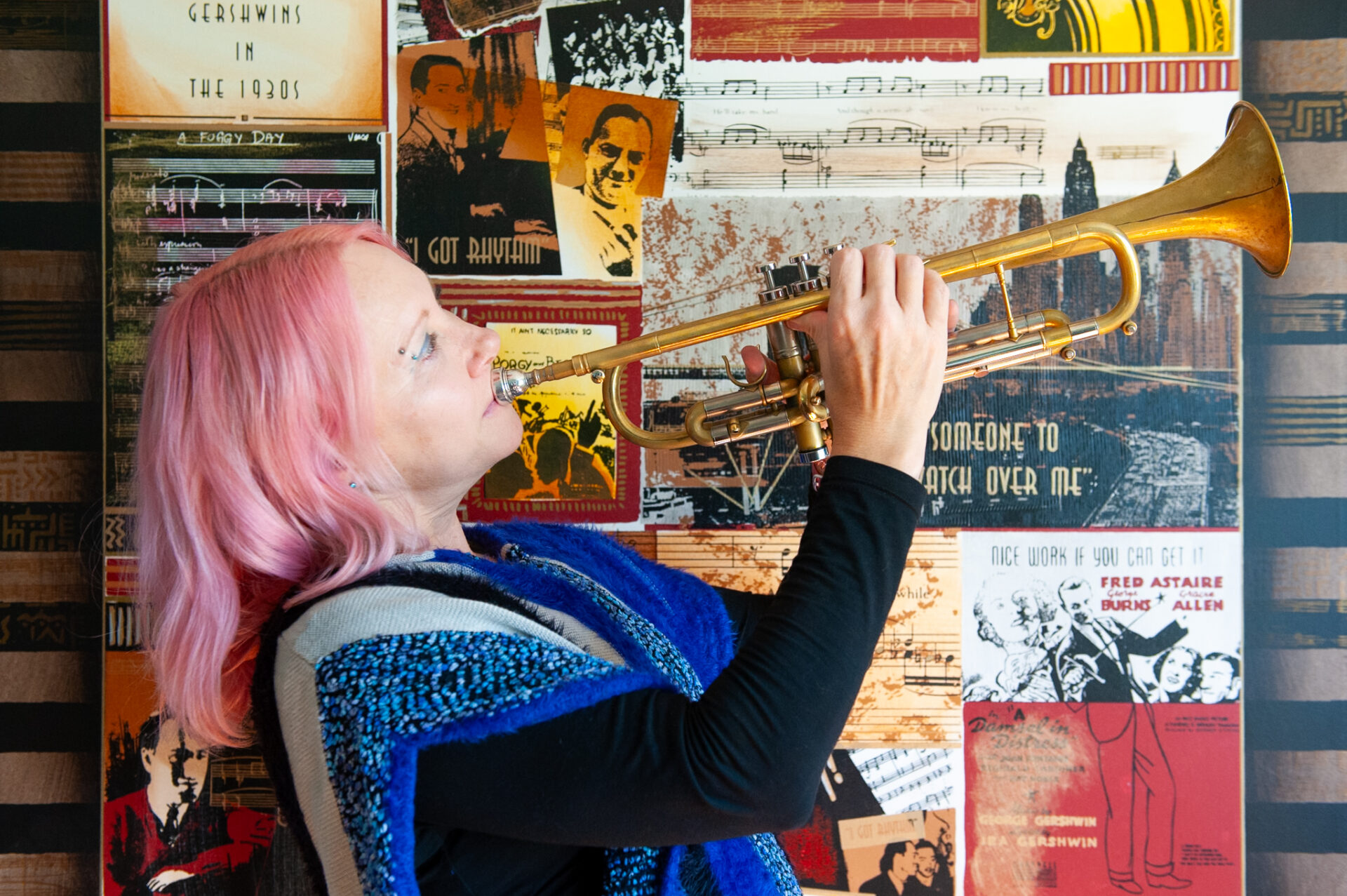 Photo credit: Lindy Drew / Humans of St. Louis
“Interestingly, it was the era of retro swing coming back, so I approached this modern swing band that was in town. I said, ‘I notice you don’t have a trumpet player. I know I don’t look like one. And I already know you’re going to assume I’m really bad. But I’m not. I studied at the Cleveland Institute of Music. I played in salsa bands. Anyway, just let me know.’ So they let me play and accepted me into their band. Well, one night, I also sang a song. And the band was like, ‘You have to sing that one song every night we play.’ Then I wrote a song. And they were like, ‘You have to sing that song, too.’ Then I wrote another song. And another and another and another. That’s how I started songwriting and singing as a front person.”
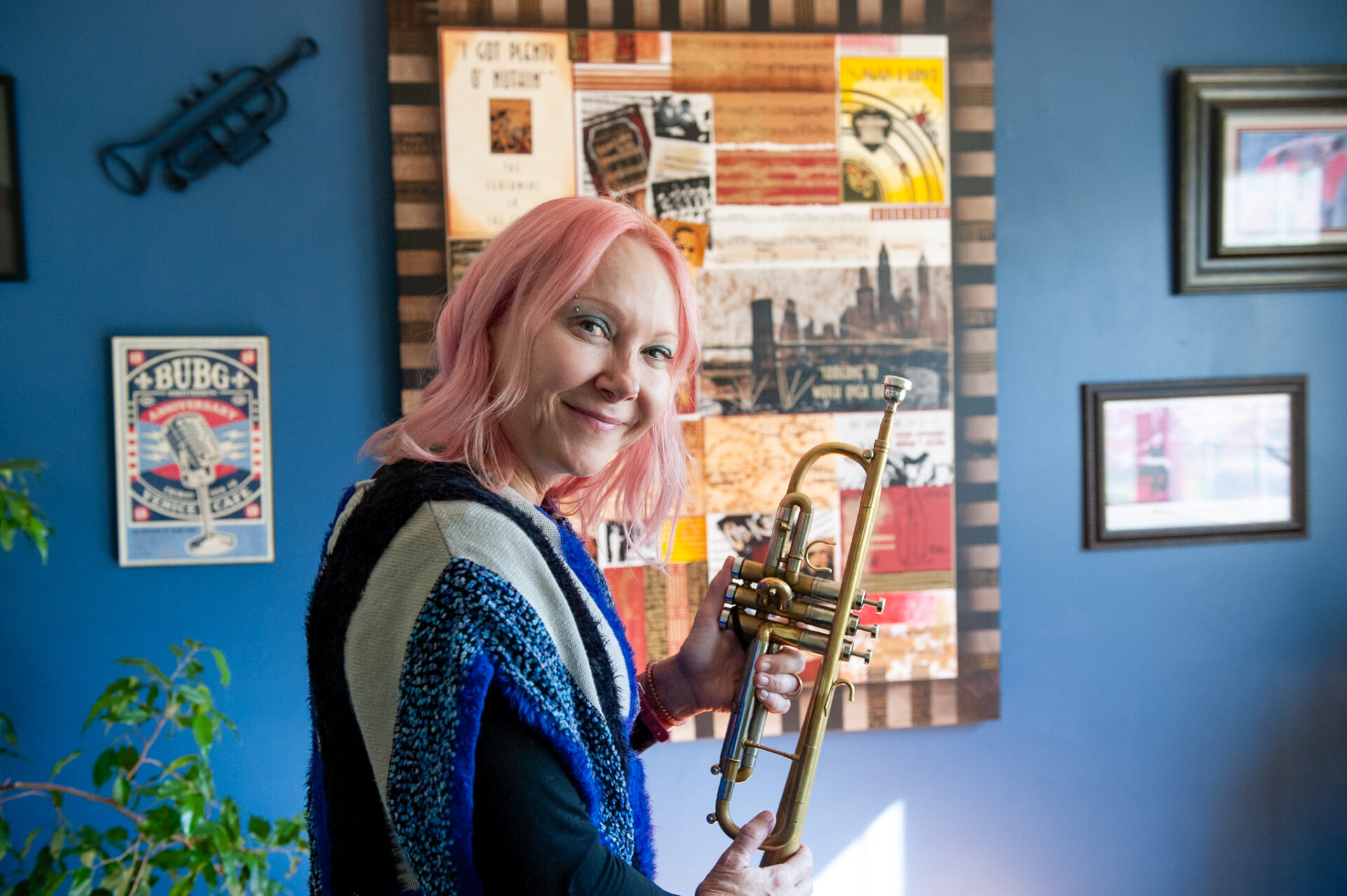 Photo credit: Lindy Drew / Humans of St. Louis
“I was subbing with SLSO, touring with this group called Vargas Swing, and starting to do the trumpet competition circuit. One competition, called the Ellsworth Smith International Trumpet Solo, I tried submitting to three times, finished the process, but didn’t get chosen until the last time. The repertoire is insane. You have to do a baroque concerto, a classical concerto, a French piece, an American sonata — these are multi-movement works — a modern unaccompanied piece, and something else for six pieces total. So one year, I was going to submit an audition, but I felt like what I recorded was so bad that I wasn’t going to send it in. And my friend pushed me, like, ‘You’re going. By the deadline, your application is going to be in the mail.’
I got up early on a Saturday morning, got my tail down to the post office, and put the CD in the mail. I was so embarrassed, I thought the judges were going to laugh at it. Then, months later, I got a random call from this elderly legend: ‘This is Edward Tarr.’ I was like, ‘Yeah, okay. Who is this really?’ I thought someone was messing with me. And ‘the’ Edward Tarr said, ‘You submitted for the Ellsworth Smith Competition. There were up to eight people we were accepting, but this year we’re only accepting five.’ I kept thinking it was a joke. Like, ‘I just moved to St. Louis. Nobody knows who I am. There’s no way anybody would know Edward Tarr.’ Then I realized, ‘Shit, this is the guy.’ I made it into the competition.
Me, two other Americans, a trumpet player from France, and one from Belarus went to Germany to compete. It was like the trumpet Olympics. And it was absolutely terrifying. All those times I had tried applying, and then I did, and then I quit. Being an artist, there are ups and downs where you wonder, ‘I did that? That was horrible. I suck really bad right now.’ And then you’ll feel the complete opposite about what you’re doing, like, ‘I don’t suck. I’m actually pretty good.’ Then that might not last, and you go back to that negative self-talk, like, ‘I should just give this up.’ Sometimes that is just being an artist. It’s a journey of ups and downs and victories, and not everything is going perfectly. But it’s also about how you pick yourself back up and keep moving forward.”
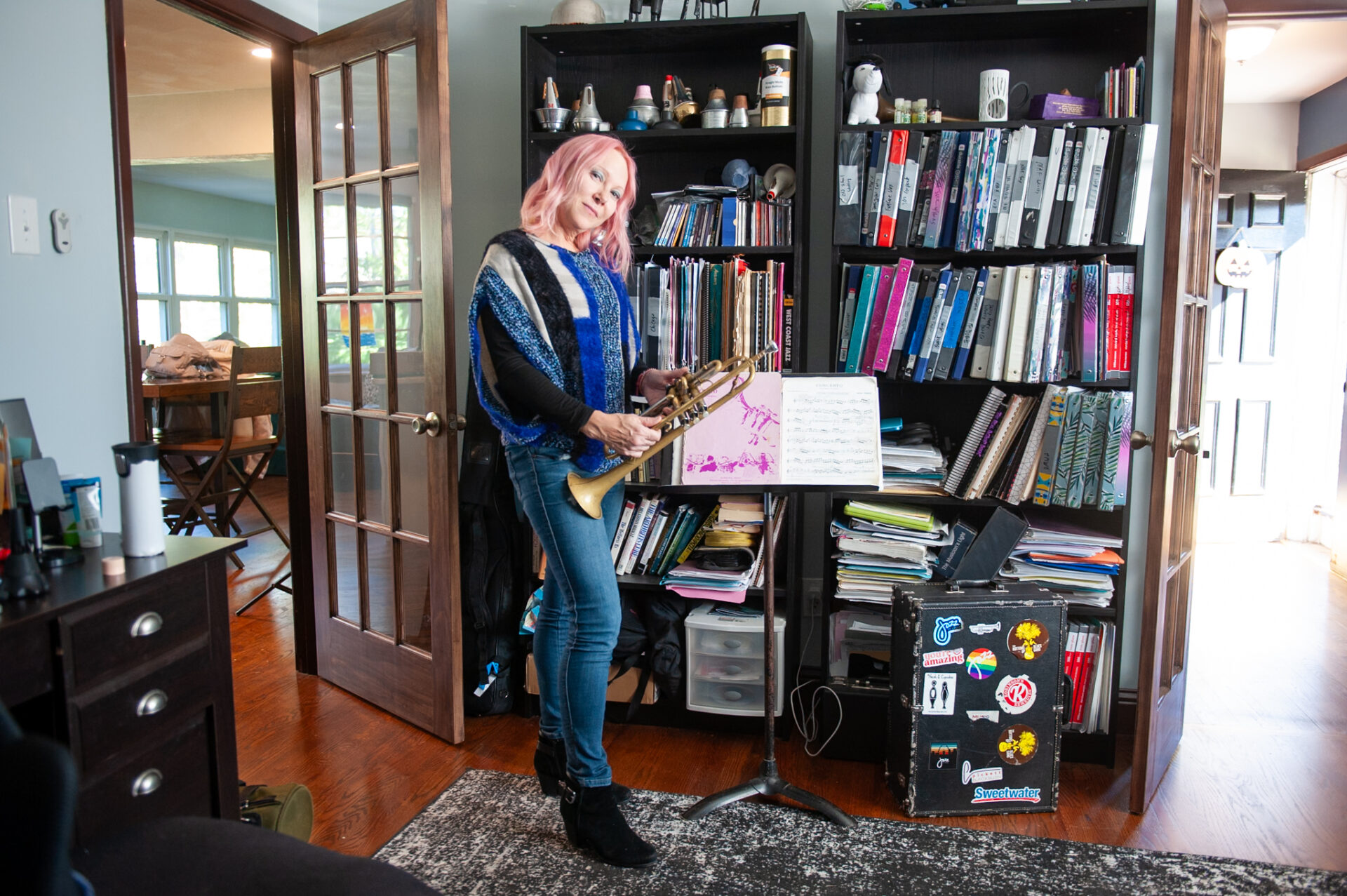 Photo credit: Lindy Drew / Humans of St. Louis
“Playing trumpet is like being the quarterback on a football team, or a pitcher on the baseball field, or a basketball player who shoots three pointers. The only way I can describe how it feels is that when you’re young, you’re invincible. You don’t have to warm up before a gig, and you play all day. Then you have times where there have been mishaps, something didn’t go well, and you wonder, ‘What was that?’ Or maybe you missed something big during a performance. Because when a trumpet misses something big, or stuff doesn’t come out of it, it is humiliating. Everybody can hear it. Or if you miss a big entrance, you start going through this period where you doubt and second-guess yourself. And as a trumpet player, you have to be fearless. You can’t doubt. You’ve got to come in and nail it. When you’re young, it’s exciting. You want that hard piece. But it’s terrifying, too. You can go into a mental slump of being so scared. It’s like an athlete going through a slump and losing the game because they’re in their head. And to continue to stay in the game, they’ve got to get through it. I have so many books in my library about the mental game. It’s not just for athletes, but musicians too.
Sometimes I have jobs where I feel totally comfortable. I play with the Bach Society of St. Louis. I play at Jazz St. Louis. And sometimes I can still get so nervous, like, ‘Why did I choose this profession? I don’t want to go out there. I feel like throwing up, I’m so scared.’ So I have to deal with these things. Plus, as you get older, your body starts to change. And for a trumpet player, it affects your face. Colleagues who have been in the game as long as I have, who are the same age, we are going through it. So us friends talk about it, because it helps to be open and transparent. We go through ups and downs physically and vocally. Sometimes my voice feels great, then it feels like trash for a long time, and I still have to get through it. I still have to show up. I still have to perform. It still has to be amazing. And, for me, I go through everything in my head, like, ‘I missed that, I missed that, I missed that.’ I calculate everything.”
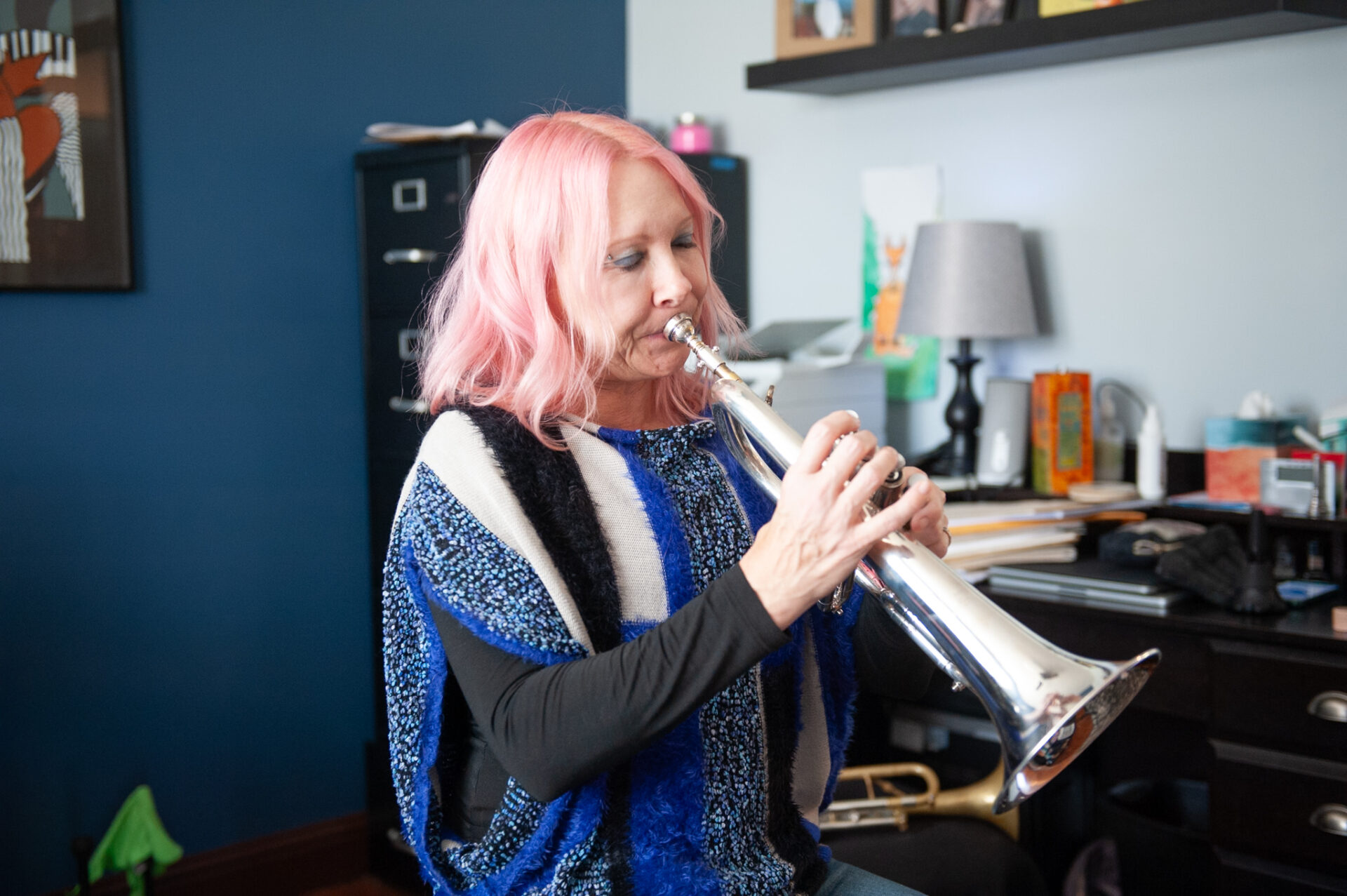 Photo credit: Lindy Drew / Humans of St. Louis
“Overworking my muscles from playing takes its toll. So now I’m getting acupuncture on my face, and I have a sports massage therapist who does deep tissue work on my face, neck, and shoulders. Anything to help me stay in the game. My voice will even be hanging on by a thread through weather changes sometimes. And every musician’s instrument can make them go through their different ailments. Playing the trumpet, I do need to avoid getting injured and not overplaying, which could result in tearing my muscles. That can really happen, and it literally affects my chops. My voice is actually the instrument going through the trumpet. Even Louis Armstrong blew his face out. He literally split it open, and blood was everywhere. When that happened, he couldn’t play. His whole history and backstory are amazing. The mob was after him because they were supporting him, and he couldn’t play on the dates he was scheduled. So he was kind of on the run at one point, hiding from them because he couldn’t play the dates he was scheduled.”
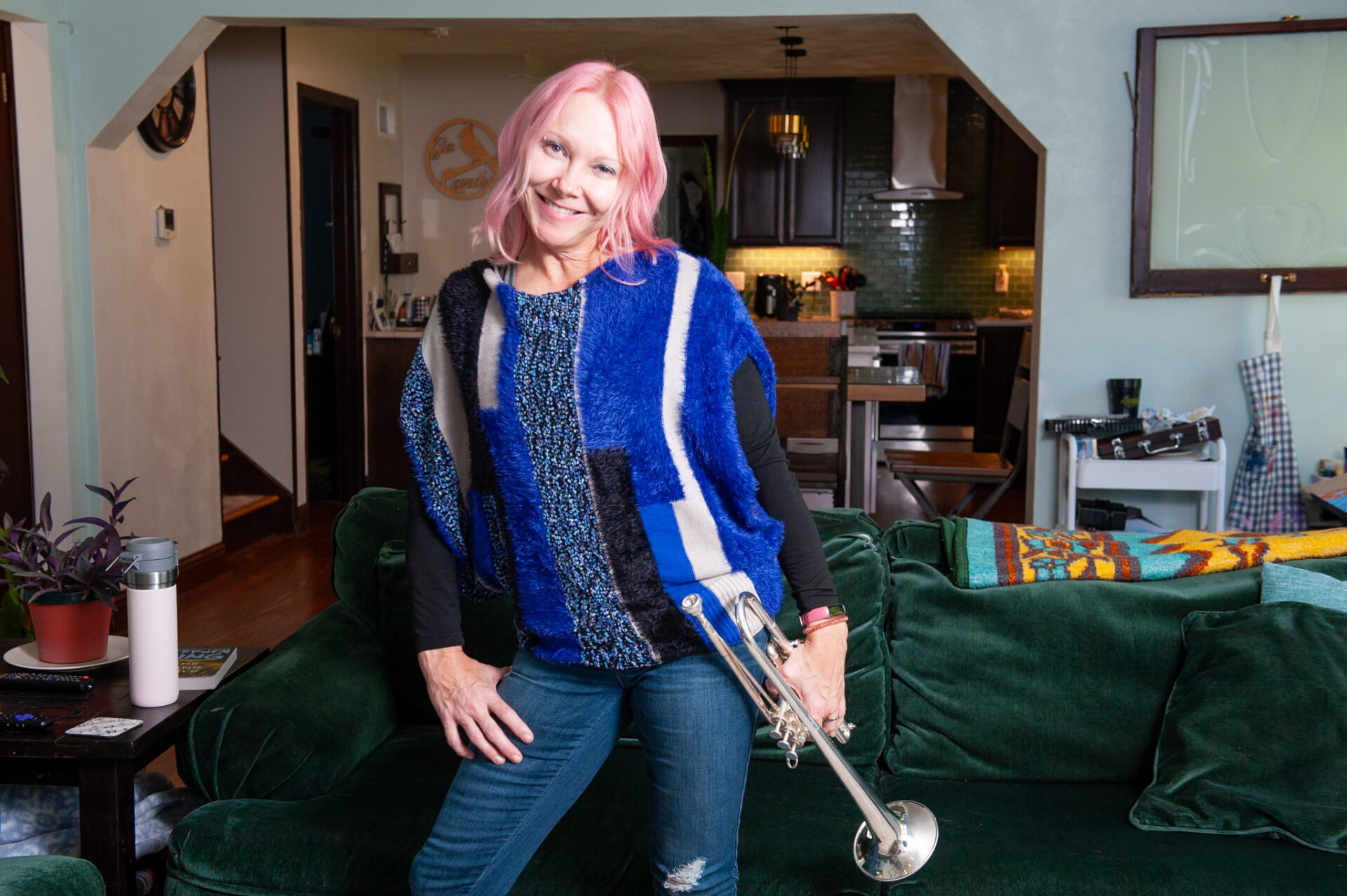 Photo credit: Lindy Drew / Humans of St. Louis
“I give private trumpet lessons at the O’Fallon Illinois Township and the Lindbergh School District, which both have 250-member marching bands. I teach trumpet and jazz combos at The University of Missouri–St. Louis. And I teach at JazzU, a program at Jazz St. Louis for high schoolers. So, as I get older, I’m figuring out that it’s getting harder to hustle at this pace. I need to figure out how to say no and cut back. I mean, the other day, I didn’t have any breaks running from one class to make it to another, and then I had to get to one of my other teaching commitments. I was trying to eat cold stew while driving just to get some dinner in me, and it was like, ‘This is ridiculous!’ Some days, I don’t even have time to pee. It’s like, ‘Stop doing this to yourself.’ Caring 200% and wanting to strive for the best — it’s starting to weigh on me. I know there’s a point where I want to retire from the front and just become a side man, because the front person has to do all the talking, designing the sets, writing, and arranging the music. Plus, I’m my own agent. So I contract the gigs, I take care of payroll, and I have to figure out all the business stuff and taxes.”
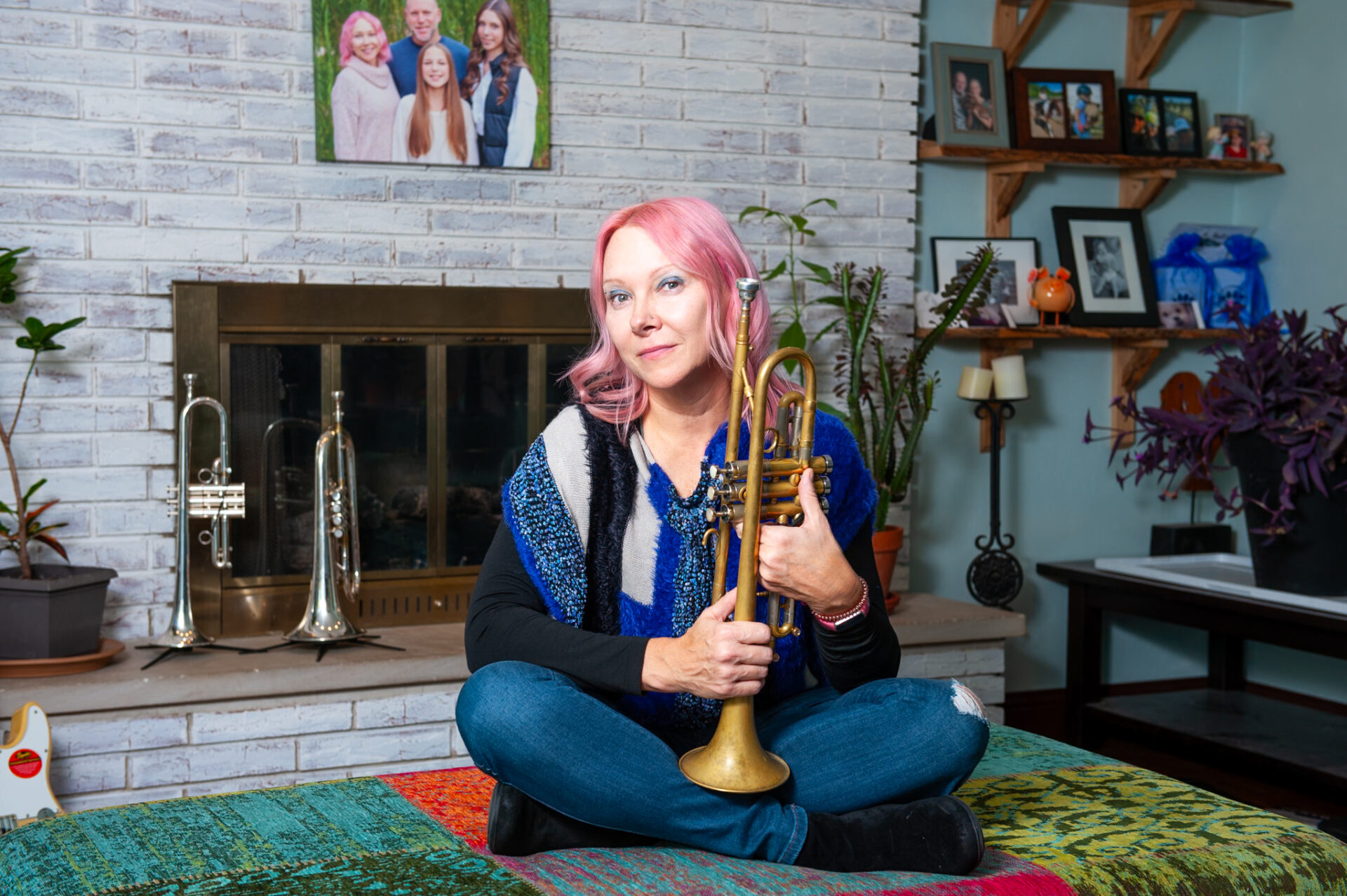 Photo credit: Lindy Drew / Humans of St. Louis
𝑌𝑜𝑢 𝑤𝑜𝑟𝑘 𝑖𝑛 𝑠𝑜 𝑚𝑎𝑛𝑦 𝑔𝑒𝑛𝑟𝑒𝑠, 𝑡𝑜𝑜. 𝑇𝑎𝑙𝑘 𝑎𝑏𝑜𝑢𝑡 𝑝𝑒𝑟𝑓𝑜𝑟𝑚𝑖𝑛𝑔 𝑎𝑙𝑜𝑛𝑒 𝑣𝑒𝑟𝑠𝑢𝑠 𝑤𝑖𝑡ℎ 𝑔𝑟𝑜𝑢𝑝𝑠.
“I just put together a salsa group a year ago, so since then I’ve been learning to sing in Spanish. I have to admit, I keep doing this to myself. And then people end up really liking it! And then we get booked. And then I’m like, ‘Oh my god, now I have to learn my Spanish songs. I have to prepare this. I’m so in the weeds.’ I’m actually such a shy person. That’s why people don’t know these stories I’m sharing. I would rather be in the back and not in the front. But I kind of got shoved up front when I sang and wrote and was encouraged to do more and more. So I started writing and performing more. Then it was like, ‘People really like you, Dawn. Start talking to the audience.’ At first, I didn’t know what to say. At one performance, I stuck my foot in my mouth, like, ‘I’m so glad we’re doing this Alzheimer’s benefit! Because I know I’m going to get it.’ And the band was floored, like, ‘Oh. My. God.’ But I was like, ‘What’s wrong with that? I probably am.’ Meanwhile, they were like, ‘But you don’t say that, Dawn.’”
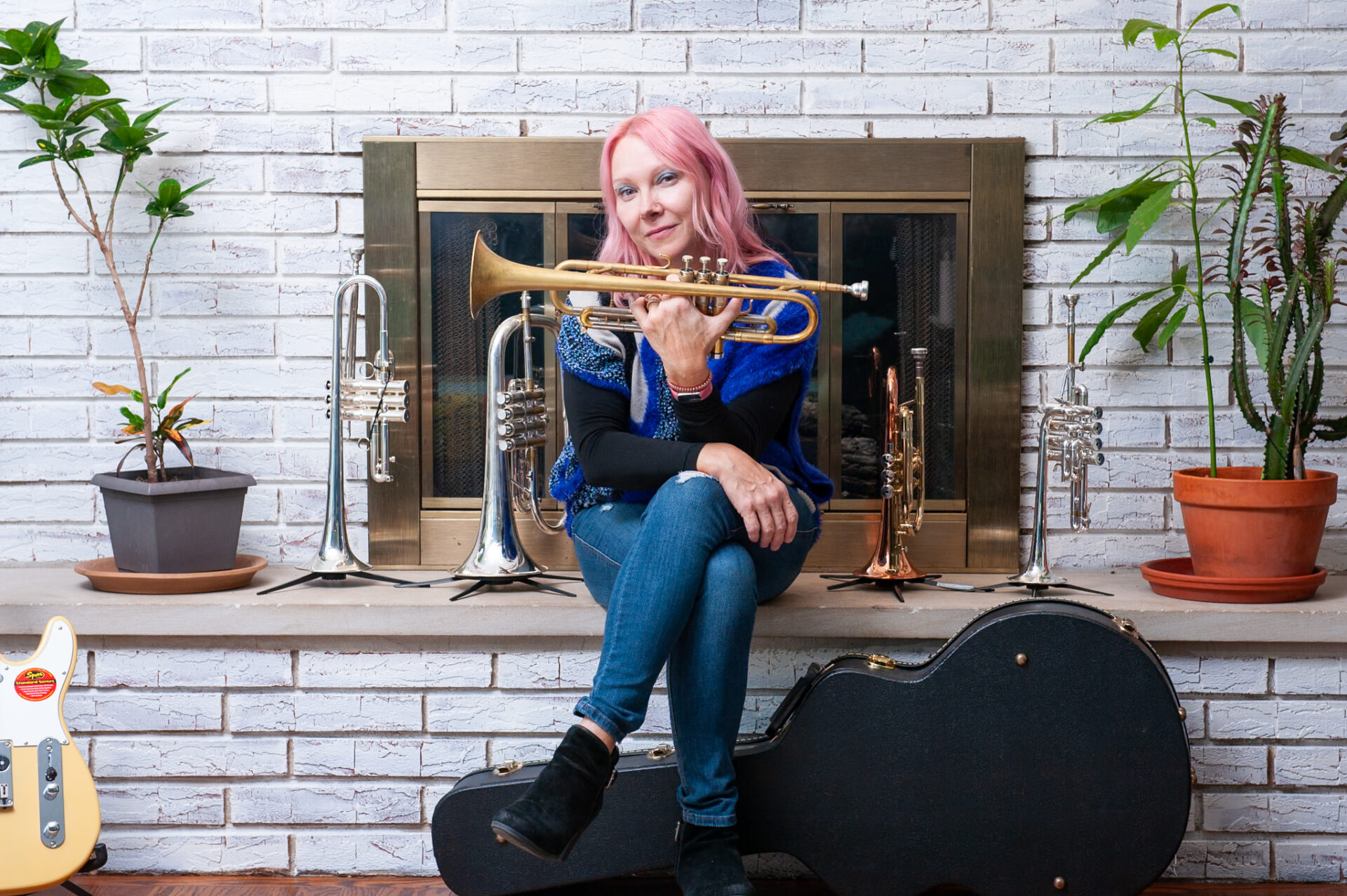 Photo credit: Lindy Drew / Humans of St. Louis
“One gig when I was playing a lot on the road, we drove overnight to play at this winery in the blazing sun. They didn’t have us in the shade, and I was miserable. There I was in the center, making sarcastic comments, like, ‘What’s it like out there in the shade? It looks so beautiful.’ Afterwards, people came up to us saying, ‘We are so sorry that you had to play in this weather.’ So, what people got out of our performance was that they felt sorry for us? I thought, ‘Okay, so there’s no more of that. Now, no matter if you have a fever, no matter if you are going through a divorce, no matter if you are in a bad relationship and everything in your life is crumbling, no matter if your best friend has died — it doesn’t matter if your best friend killed himself — it doesn’t matter. You get on that stage, and it is shoulders back, chest up, smile. No matter how crappy you’re feeling or whatever you’re doing, no matter if you’ve had a thyroidectomy and you can’t sing the songs that people want you to — you just sing. It doesn’t matter what you are going through. You hide it, suck it up, and do your job.’ All of these are real examples, by the way. I mean, I remember after my best friend, Nathan Jatcko, killed himself. We were duo partners. He was like my brother. I still had to get up on stage. That’s the thing. You have to perform and pretend that ‘I love life.’
Eventually, I finally pushed back when I kept getting asked to sing a certain song that I couldn’t at that time due to nerve damage because of thyroid cancer. I just dropped the C-word, and people were like, ‘I’m so sorry.’ Then I had my thyroid taken out and nerve damage for a year. Trying to sing while waiting for all those nerves to grow back, it doesn’t matter — the show must go on. I also remember one performance when I was a guest artist for this big band, when my adopted parents came up, saying, ‘You look so happy. It’s so good to see you smiling.’ Meanwhile, on the inside, I was like, ‘Dude, I hate my fucking life. This is my fucking job to look happy. I’m even running a fever tonight.’ I wasn’t okay, and no one would ever know.”
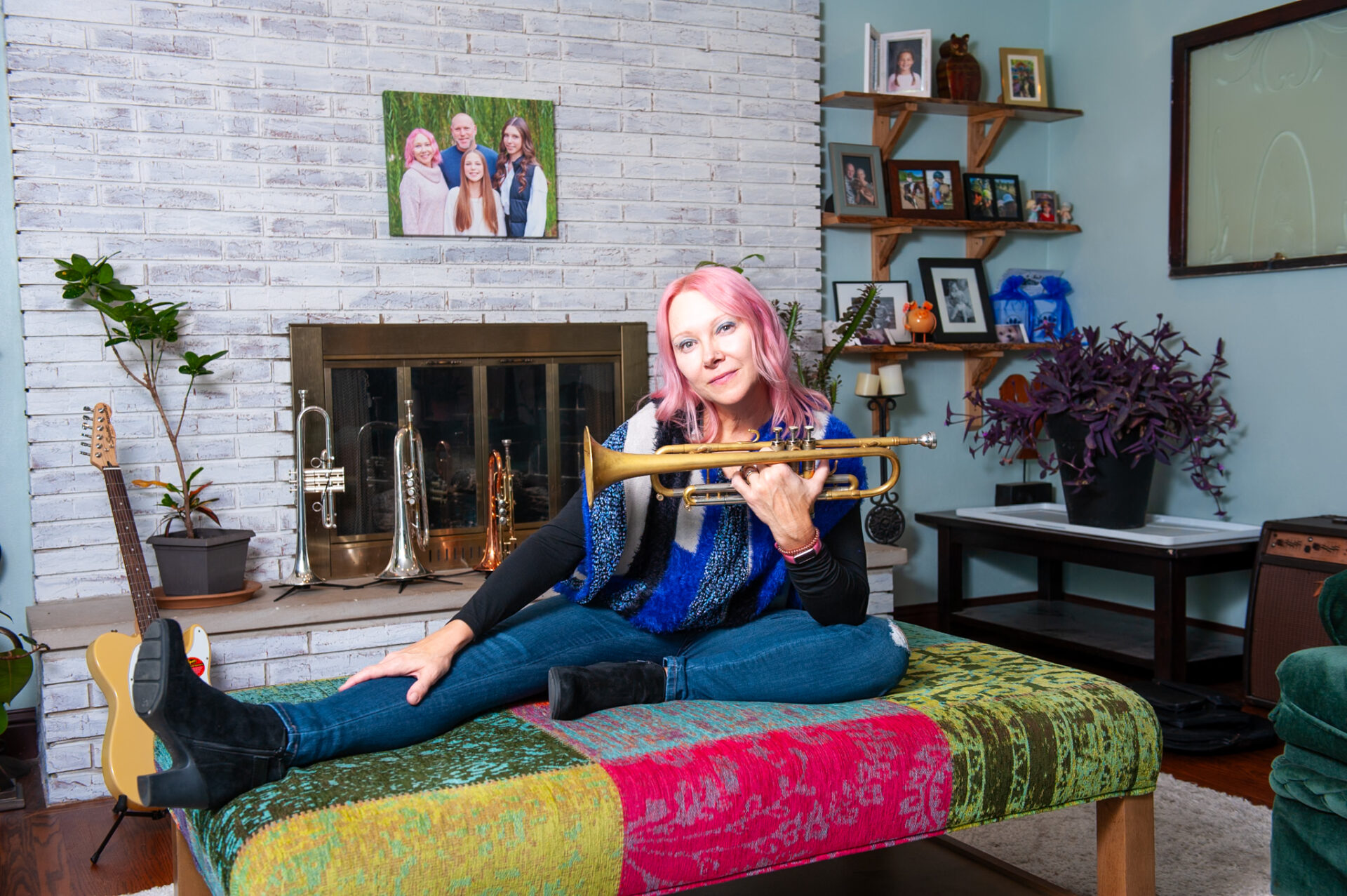 Photo credit: Lindy Drew / Humans of St. Louis
“Going through all that, I had to find my joy on stage. And I learned to find it by playing for the musicians I’m working with instead of outward to the audience. On stage, I’m in my bubble with my friends, unless I’m playing at a huge venue, I’m more performing inward. And people like the connection we’re making on stage with each other, so it still works. That gives me my comfort now, no matter what. I am making music with my friends. So my intention is to enjoy being with them. And people get to watch that.”
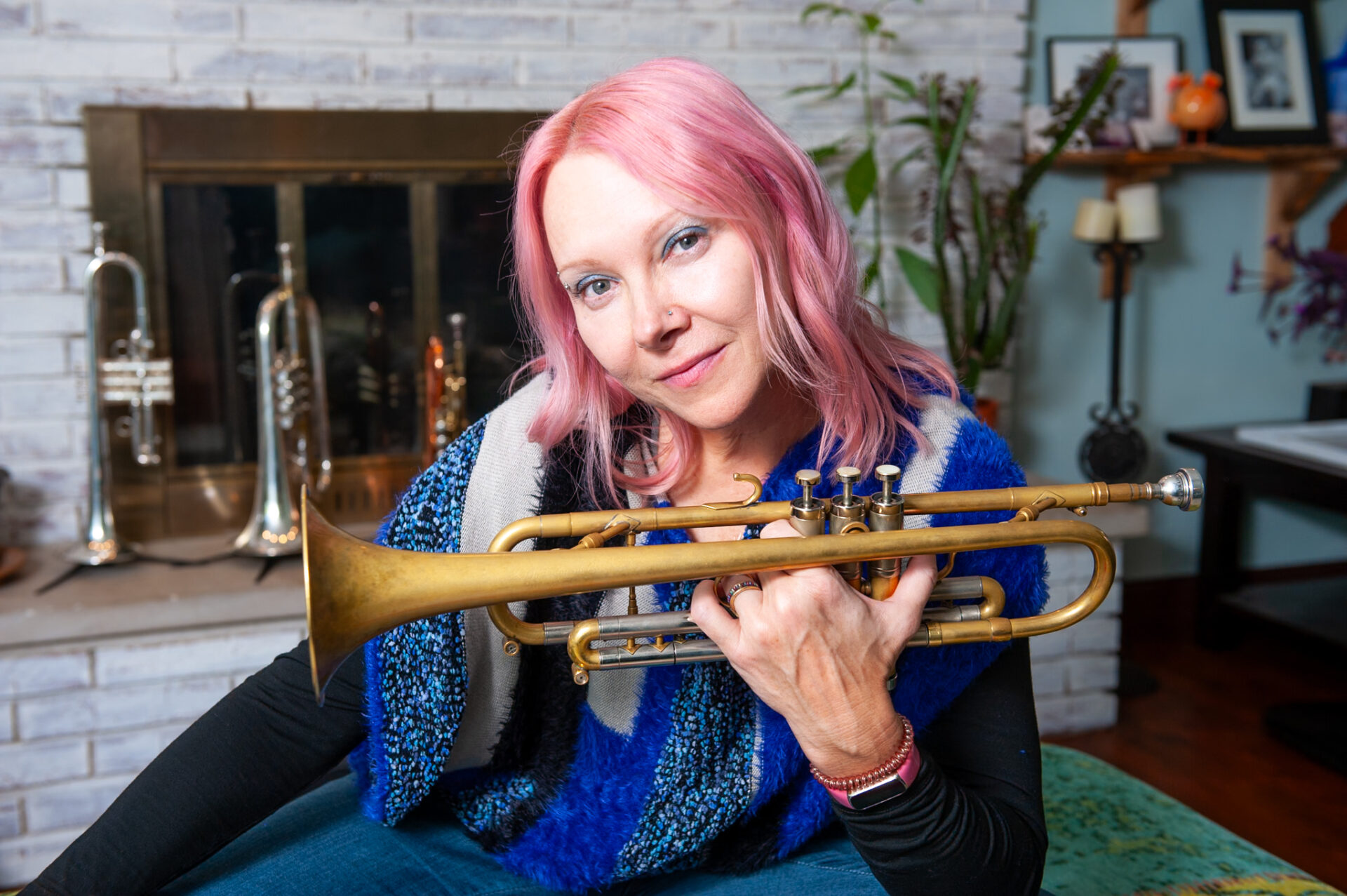 Photo credit: Lindy Drew / Humans of St. Louis
“I’m starting to talk more about the color of my hair, like, ‘Oh, do you know why it’s pink?’ Screw it. I’m doing it. I’m finally saying, ‘This is why.’ And the reason why I have pink hair is that when I dyed my hair ‘F you’ orange and was doing bright poppy colors, I thought, ‘I’ve always wanted to do pink, but I don’t know if the St. Louis Symphony would still hire me.’ So one summer, I just dyed my hair this bubble gum pink. It was my dream color, and it was so cute! Then I had gotten called to do a job, so I was like, ‘I guess we’re going to find out.’ And there was no problem. There was never any issue with me having pink hair. So that became my trademark. Now I just do different shades of pink, and I’m kinda known as the trumpet player with the pink hair. So when I retire from this job, what color am I going to be? I don’t know. Will I still stay pink? Will I change to pastel? Who knows? Because, right now, my look is kind of tied to my job.”
“Sometimes when I play the trumpet, there are moments that suck me in, and performing gives me this rush like, ‘I feel like a god!’ Then the rest of my career, the trumpet’s just stomped on me to the ground, like, ‘Oh, you think you’re a god? Well, you’re gonna miss this, and you’re gonna be terrified from now on.’ So when I feel a rush that everything is working, I’m good in my head, I’m feeling comfortable, and everything is feeling good, I’ll come home, and my family will ask, ‘How did it go?’ I can still be so hard on myself. I’ll say, ‘It was a B. I’d give myself an 85%. It could have been better.’ Every once in a while, I might give myself a 98%, but never 100%.”
𝑊ℎ𝑎𝑡’𝑠 𝑡ℎ𝑒 𝑏𝑒𝑠𝑡 𝑐𝑜𝑚𝑝𝑙𝑖𝑚𝑒𝑛𝑡 𝑎𝑛𝑦𝑜𝑛𝑒’𝑠 𝑒𝑣𝑒𝑟 𝑔𝑖𝑣𝑒𝑛 𝑦𝑜𝑢 𝑓𝑟𝑜𝑚 ℎ𝑒𝑎𝑟𝑖𝑛𝑔 𝑦𝑜𝑢 𝑝𝑙𝑎𝑦?
“Mostly, I get, ‘We saw you had a trumpet when you were setting up, but we weren’t expecting what we heard.’ I look unassumingly like I wouldn’t be any good. So it’s the shock factor. People will walk by the stage before the performance begins and ask, ‘Are you going to play those?’ I’ll joke, ‘No, they’re just props. They’re just here cause they’re pretty.’”
Dawn Weber | dawnweber.com
About Humans of St. Louis
Humans of St. Louis (HOSTL) is a 501(c)(3) non-profit organization with the mission of sharing photographic portraits and first-person stories to highlight local needs, issues, and experiences from people in the St. Louis region. HOSTL gives followers an intimate look into the lives and struggles of the people of St. Louis, one photo and story at a time, and is the second most popular “Humans of” site in the U.S. after Humans of New York.